Thinking about living near Medina’s Historic Square, or wondering whether a nearby in-town street or outer subdivision would fit your lifestyle better? If you are comparing Medina neighborhoods, it helps to know that the area around the Square offers a very different feel from newer parts of the city. This guide will help you understand how Medina’s historic core, nearby older neighborhoods, and newer residential areas compare so you can narrow your search with more confidence. Let’s dive in.
Medina Square at a Glance
Medina’s downtown centers on Public Square, also known as Uptown Park. The city describes it as the heart of Medina, and it hosts events throughout the year, including weddings, band concerts, the Farmers Market, Art in the Park, and An Affair on the Square.
That central location shapes daily life in a big way. Medina County’s economic development group notes that the city is about 27 miles south of Cleveland and 18 miles west of Akron, giving you a small-town setting with access to larger employment and entertainment hubs.
The city also identifies three business districts: the Downtown Historic District, the North Court Business District, and the West Side Business District. Around the Square, the Historic District is known for independently owned shops and dining in a more relaxed, walkable setting.
What Makes the Square Feel Different
One reason Medina’s Square stands out is its architecture. City design guidelines describe a downtown shaped by late-19th- and early-20th-century buildings, including Italianate, Second Empire, Stick, Queen Anne, Shingle-era, Greek Revival, Eastlake, Romanesque Revival, and 20th Century Commercial styles.
In practical terms, that means the area feels layered and historic rather than built all at once. The city even describes the buildings around Uptown Park as being set like jewels around the park, which captures how visually central the Square is to Medina’s identity.
If you are drawn to places with architectural variety and a traditional downtown layout, this part of Medina may feel especially appealing. It offers a more classic in-town experience than a typical suburban retail corridor.
Historic Neighborhoods Near the Square
Just beyond the commercial core, Medina includes several older residential areas tied closely to the city’s historic character. The city’s planning materials point to settlement-era neighborhoods such as Harmony, Spring Grove, Homestead, and Elmwood.
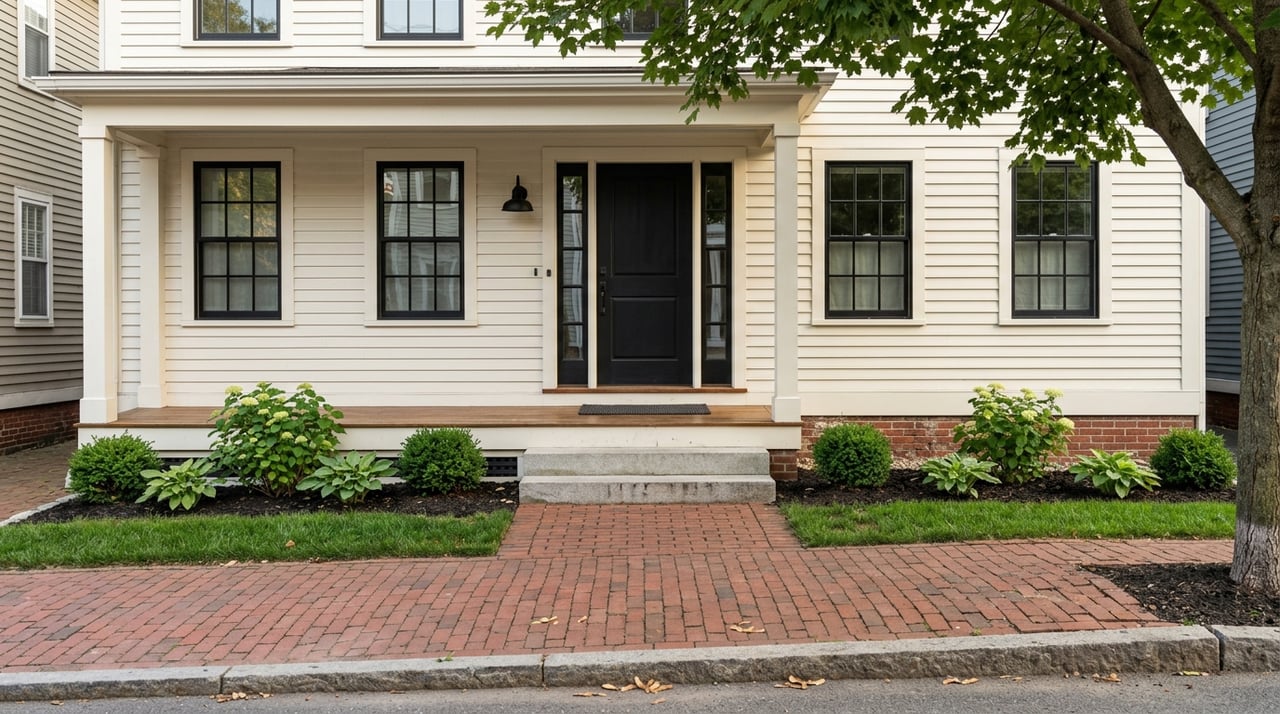
These areas are generally described as having about 20-foot setbacks, mostly detached single-family homes, some duplexes, detached garages, grid streets, mature trees, and some sidewalks that need maintenance. Home styles may include Four-Square, Victorian-era, Arts and Crafts, and Bungalow designs.
That combination often creates a neighborhood feel that is harder to find in newer developments. Shorter setbacks, older trees, and traditional street grids can make these streets feel more connected to the Square and more pedestrian-friendly.
The Founders Way North neighborhood association also identifies a historic neighborhood along North Broadway between East Liberty and Harding, extending east to Spring Grove and west to Court Street. Its focus on community, livability, and affordability adds useful context for buyers exploring homes in that part of Medina.
Urban Corridor Areas Near Downtown
If you want to be close to the Square but are not looking directly in the historic commercial core, Medina’s downtown-adjacent urban corridor is worth understanding. The city’s 2022 plan describes this area as a place where neighborhood walkability, mixed uses, and quality public spaces should be preserved.
The same planning framework highlights short blocks and a lush streetscape. For buyers, that can translate to an in-town environment where homes, businesses, and public spaces feel more integrated than they do in a conventional suburban layout.
This is part of why blocks near downtown often live differently from areas farther out. Even when you are not right on the Square, you may still feel connected to shops, services, parks, and events in a more everyday way.
South Town as Another Walkable Option
Medina’s South Town offers another downtown-adjacent lifestyle choice. The city describes it as its newest and most eclectic area, and a South Court Street property page characterizes it as a walkable area with restaurants, retailers, and mixed-use redevelopment.
For some buyers, that may offer a middle ground. You can still prioritize walkability and access to local businesses, but in a setting that may feel a bit different from the traditional historic core around Public Square.
If your goal is to be near activity without focusing only on the Square, South Town may be a useful area to include in your search. It reflects how Medina’s in-town living options extend beyond one single district.
Newer Neighborhoods on Medina’s Edge
Medina also offers newer residential areas in outer-ring parts of the city. The city’s Modern Suburban Residential typology includes areas such as Sturbridge Drive, Brandywine Drive, Westwood Drive, and Savannah Trail.
These neighborhoods are described as mostly detached single-family homes, with some duplexes, townhomes, and apartments. Home styles are generally Ranch, Salt Box, and Cape Cod, with most construction dating from the mid-1980s to the present.
Setbacks are typically 30 to 40 feet, and streets are often curvilinear with cul-de-sacs. Sidewalks are available on most streets, which can still support neighborhood activity while offering a more conventional suburban pattern.
Historic Core vs Newer Subdivisions
If you are deciding between in-town Medina and newer neighborhoods, it helps to think in terms of daily lifestyle. Based on the city’s planning descriptions, historic areas near the Square tend to offer older housing stock, tighter setbacks, stronger architectural character, and more walkability.
Newer subdivisions often offer newer construction and a more standard suburban layout. For some buyers, that means lower interest in older-home upkeep and a stronger preference for wider setbacks or cul-de-sac streets.
Neither option is automatically better. The right fit depends on whether you value proximity, architectural character, and a traditional street grid, or prefer newer homes and a more suburban layout.
Walkability, Parking, and Daily Convenience
Downtown Medina is the clearest walk-to-everything area in the city’s materials. The business district around the Square is built around shopping, dining, and year-round events, which can make it easier to enjoy local amenities without needing to drive for every errand or outing.
Parking is also more manageable than some buyers expect in a historic downtown. The city says parking is free on streets, in public lots, and in two parking decks. Residents within one block of the Square or the Farmers Exchange can also apply for a historic-district parking permit.
For buyers who want a neighborhood where local businesses, public events, and green space are woven into everyday life, this convenience is a major part of the appeal. It is one of the clearest differences between the Square area and outer residential pockets.
Parks and Outdoor Space Nearby
Parks play a meaningful role in Medina’s lifestyle. According to the city’s parks map, Medina City Parks includes fourteen parks covering about 800 acres of developed and undeveloped park land.
Uptown Park itself is 2.2 acres and sits right at Public Square, serving as a hub for community events throughout the year. Nearby city parks include Memorial Park, Reagan Park, and Ray Mellert Park.
Beyond the city system, the Medina County Park District operates more than 23 parks and nature preserves across the county. If outdoor access matters to you, Medina offers more than just a charming downtown setting.
What Buyers Should Know About Older Homes
Older homes near the Square often come with a strong sense of place, but they can also require a different mindset. The city’s Building Department says it focuses on preserving historic structures and older neighborhoods.
Planning materials also note that historic properties require review for exterior changes through the historic-preservation process. That does not mean owning in a historic area is difficult, but it does mean you should understand the added layer of review if you plan visible exterior updates.
The city’s forestry page also states that Medina manages roughly 13,000 trees in the public right of way. Mature trees add beauty and shade, but they also reinforce the fact that historic neighborhoods may involve more hands-on upkeep than newer construction.
How to Choose the Right Medina Area
If you love small-town center energy, older architecture, short blocks, and easy access to shops, restaurants, parks, and events, the Square and nearby historic neighborhoods may be the strongest match. These areas tend to appeal to buyers who want a neighborhood with character and a stronger sense of connection to downtown.
If you prefer newer homes, larger setbacks, and a more typical suburban street pattern, Medina’s outer-ring neighborhoods may fit better. Those areas can offer a different pace and layout while still keeping you within the city.
When you tour Medina, it helps to look beyond the house itself. Pay attention to how each area feels when you drive it, walk it, and imagine your everyday routine there.
Whether you are relocating, buying your first home, or planning a move within Northeast Ohio, having local guidance can make it much easier to compare Medina’s options clearly. If you want help narrowing down neighborhoods that fit your goals, connect with Amy Marinello.
FAQs
What is Medina’s Historic Square known for?
- Medina’s Historic Square centers on Public Square, or Uptown Park, and is known for year-round events, historic architecture, local shops, dining, and a traditional downtown setting.
What are the neighborhoods near Medina Square like?
- Nearby older neighborhoods include areas such as Harmony, Spring Grove, Homestead, and Elmwood, with detached homes, mature trees, grid streets, traditional setbacks, and a range of historic home styles.
Are there walkable areas near downtown Medina besides the Square?
- Yes. The city identifies downtown-adjacent urban corridor areas as places that support walkability, mixed uses, and quality public spaces, and South Town is also described as a walkable area with restaurants, retailers, and mixed-use redevelopment.
What are newer Medina neighborhoods like?
- Newer outer-ring areas such as Sturbridge Drive, Brandywine Drive, Westwood Drive, and Savannah Trail typically feature newer homes, larger setbacks, curving streets, cul-de-sacs, and sidewalks on most streets.
What should buyers know about historic homes in Medina?
- Buyers should know that historic properties may require review for exterior changes, and older homes and blocks can involve more upkeep, especially in areas with mature trees and older infrastructure.
Is parking available near Medina Square?
- Yes. The city says downtown parking is free on streets, in public lots, and in two parking decks, and some nearby residents may apply for a historic-district parking permit.