Wondering what it’s really like to live in Wooster day to day? If you are considering a move, it helps to look past the map and see how a place actually feels. Wooster offers a mix of small-city comfort, college-town energy, outdoor access, and a housing market with real variety. Let’s take a closer look at everyday life in Wooster.
Why Wooster Feels Lived-In
Wooster is not just a college town in name. It is a small city with a strong base of full-time residents, local institutions, and long-term homeownership. The U.S. Census Bureau estimates Wooster’s 2024 population at 26,982, and the owner-occupied housing rate is 65.2%, which points to a community where many people put down roots.
You also see a wide mix of life stages here. Census estimates show 17.2% of residents are under 18 and 20.9% are age 65 or older. That blend helps Wooster feel active and steady at the same time, with families, retirees, renters, and college-connected residents sharing the same daily spaces.
For many buyers, that balance is a big part of the appeal. Wooster can feel manageable and grounded while still offering plenty to do. It is the kind of place where everyday routines matter just as much as major attractions.
College Town Energy Without Big-City Pace
The College of Wooster and Ohio State’s CFAES Wooster campus help shape the rhythm of the city. These institutions add activity, events, and public-facing spaces that give Wooster more going on than you might expect for its size. The CFAES Wooster campus also includes ATI and OARDC, along with access to places like Secrest Arboretum and other open-campus features.
That college presence tends to show up in practical ways. You may notice a fuller calendar, more cultural events, and a broader mix of residents and visitors throughout the year. At the same time, Wooster still reads as a stable local community rather than a place that revolves only around student life.
That is an important distinction if you are moving from out of town. You get some of the benefits of a college-town setting, but the overall pace still feels more relaxed and approachable.
Downtown Wooster Is Part of Daily Life
Historic downtown is one of the clearest examples of how Wooster comes together as a community. Main Street Wooster describes downtown as a cornerstone of community life, and that fits the way many people use it. It is not just a place for occasional visits. It is part of regular routines.
Downtown events help keep that energy consistent. Recurring activities include the Saturday farmers market, Main Street Music on the Public Square, Taste of Downtown, and the downtown DORA. These events give residents easy reasons to spend time locally and help downtown stay active beyond the workday.
Dining also adds to that everyday appeal. According to Main Street Wooster, the downtown area includes cafés, coffee houses, local restaurants, and steakhouses. If you like the idea of being able to meet friends for coffee, enjoy a local dinner spot, or spend time around the square, downtown Wooster supports that lifestyle.
Arts and Culture Are Easy to Access
In some towns, arts programming feels occasional. In Wooster, it is more woven into normal life. Wayne Center for the Arts, founded in 1973, offers classes, galleries, concerts, recitals, and outreach from its downtown location on Walnut Street.
That kind of access matters if you value creative community spaces. You do not need to plan a major trip to enjoy an exhibit, a performance, or a class. The College of Wooster’s event calendar also adds to the steady flow of campus and community activity.
For many people, this is part of what makes Wooster feel well-rounded. You have local dining, parks, community events, and arts programming all within the same small-city setting.
Parks and Trails Support Everyday Routines
If your ideal hometown includes green space, Wooster gives you plenty of it. The city highlights playgrounds, pavilions, hiking, and other recreation throughout its park system. It also notes 12 miles of dedicated biking trails, which can make it easier to stay active close to home.
Wooster Memorial Park is one of the standout options, with more than 420 acres and more than 11 miles of primitive trails. Christmas Run Park adds a covered bridge, Kiwanis Playground, and seven rentable pavilions. Grosjean Park is known for trout-stocked Apple Creek and fly-fishing, while parks like Cohan, Diller, and Walton Woods offer smaller wooded or landscaped settings.
What this means for daily life is simple. You have options for a morning walk, a weekend picnic, a playground stop, or trail time without needing to leave the city. For many buyers, that easy access to outdoor space is a major quality-of-life benefit.
Wooster Stays Connected to the Region
Wooster may feel local, but it is also well positioned for regional access. According to city information, downtown Akron is about 37 minutes away, Canton about 32 minutes, Mansfield about 31 minutes, and downtown Cleveland about 50 minutes. Cleveland Hopkins International Airport and Akron-Canton Regional Airport are each about 45 minutes away.
That can be especially helpful if you travel often, commute part time, or want easier access to larger cities without living in one. You can enjoy Wooster’s quieter pace while still keeping Northeast Ohio within practical reach. For relocators, that balance often checks an important box.
What Housing Looks Like in Wooster
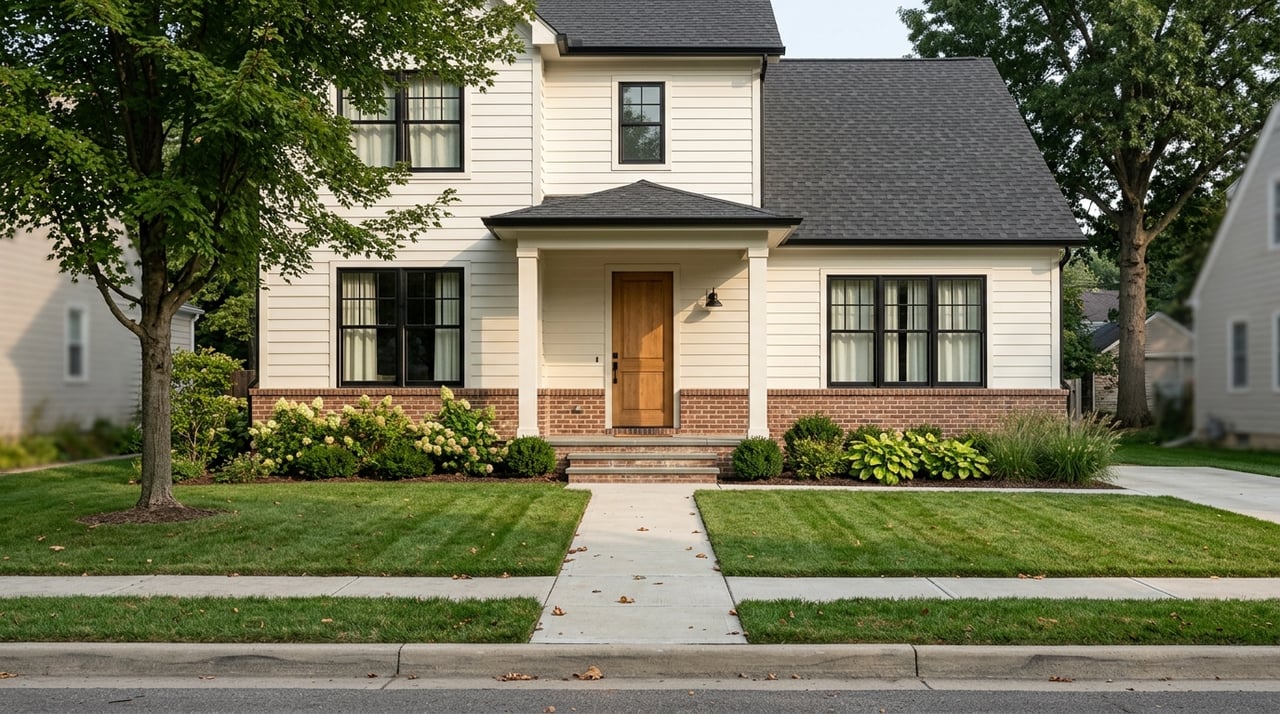
Wooster’s housing stock is one of the most interesting parts of the local market. According to the city’s 2024 comprehensive plan, 66% of housing units are single-family detached homes. The median build year is 1974, and the city has 11,787 housing units.
In practical terms, that means many homes have some age and character. Older housing can offer established settings and architectural detail, but it may also mean more maintenance needs or fewer modern features compared with newer construction. If you are buying in Wooster, it helps to compare charm, condition, and budget together.
You will also find variety in where and how homes show up across the city. Historic neighborhoods play a visible role in Wooster’s housing story, especially in areas near downtown and campus. The city also identifies historic districts such as the Public Square Historic District and the North Market Street Historic District, where exterior changes are regulated to preserve architectural character.
Home Styles Range From Historic to Newer
Wooster includes a broad mix of architectural styles. Main Street Wooster points to Greek Revival, Victorian, Gothic Revival, Queen Anne, Colonial, Art Deco, and Mid-Century Modern styles in town. For buyers who appreciate older homes, that gives Wooster a distinctive local look.
At the same time, not every home here is historic. The broader market includes newer detached homes in more suburban pockets, along with a smaller mix of condos, multi-family properties, land, farms, and new construction. That range gives buyers more flexibility than they might expect in a city of this size.
This is one reason Wooster can appeal to different types of households. Whether you are looking for a first home, more space, less upkeep, or a property with more land, you can usually explore more than one path.
Price Points Cover a Wide Range
Wooster’s market offers a fairly broad pricing spread. Current market snapshots in the research report place median listing prices around $279,500 to $305,000, while Zillow reports an average home value of $259,956 and Redfin reports a March 2026 median sale price of $228,300. Available listings in the report range from $146,000 homes to properties over $1.1 million.
That spread matters because it shows Wooster is not a one-price-point market. Entry-level buyers, move-up buyers, and luxury buyers may all find options here, depending on timing and inventory. Current examples in the research report also include condos, multi-family homes, farms, land, and new construction searches.
Like many markets, inventory and pricing can shift. If you are planning a move, local guidance can help you understand which segments of the Wooster market line up with your goals, budget, and timeline.
Who Wooster May Be Right For
Wooster can be a strong fit if you want a city that feels approachable but not sleepy. You may appreciate it if you value a historic downtown, public events, parks, and a housing market with a mix of older homes and newer choices. It can also work well if you want regional access without giving up a more grounded daily pace.
This setting may appeal to first-time buyers, people relocating to Wayne County, households looking for more space, and those planning a downsizing move within a community that still offers local activity. The appeal is less about fast pace and more about balance. Wooster offers a steady everyday lifestyle with enough variety to keep it interesting.
If you are weighing a move here, the best next step is to match the city’s feel with your own priorities. Your commute, preferred home style, budget, and lifestyle habits all shape whether a town feels like the right fit.
If you are thinking about buying or selling in Wooster, working with a local expert can make that decision much easier. Amy Marinello brings deep Wooster market knowledge, clear guidance, and a calm, strategic approach to every move.
FAQs
What is everyday life like in Wooster, Ohio?
- Everyday life in Wooster tends to feel balanced and manageable, with a mix of college-town activity, local dining, parks, arts programming, and a stable residential base.
Does Wooster, Ohio have a true college-town feel?
- Yes. The College of Wooster and Ohio State’s CFAES Wooster campus contribute events, public spaces, and a steady flow of activity, but Wooster still feels like a full-time community beyond campus life.
What is downtown Wooster like for residents?
- Downtown Wooster serves as a regular gathering place with restaurants, cafés, community events, the farmers market, and seasonal programming that keeps the area active.
Are there parks and trails in Wooster, Ohio?
- Yes. Wooster offers a city park system with playgrounds, pavilions, wooded spaces, more than 420 acres at Wooster Memorial Park, over 11 miles of primitive trails there, and 12 miles of dedicated biking trails citywide.
What types of homes can you find in Wooster, Ohio?
- Wooster has many single-family detached homes, a median build year of 1974, historic homes near downtown and campus, newer homes in suburban areas, and a smaller mix of condos, multi-family properties, land, farms, and new construction.
Is Wooster, Ohio connected to other Northeast Ohio cities?
- Yes. Wooster is within about 31 to 50 minutes of Mansfield, Canton, Akron, and downtown Cleveland, with both Cleveland Hopkins International Airport and Akron-Canton Regional Airport about 45 minutes away.